
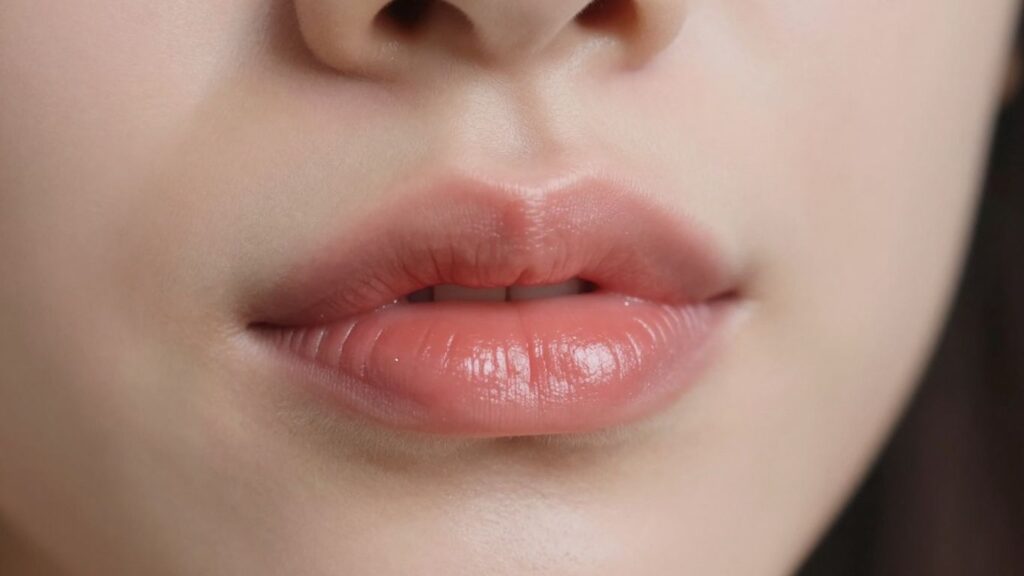
2026 FDA-Approved Safest Lip Filler Brands
| Filler Brand | Core Technology | Reversible? | Safest Use Case (Best For) | Risk of Migration |
| Juvéderm Ultra XC | Hylacross™ | Yes (Hyaluronidase) | Plush, pillowy volume | Moderate if overfilled |
| Restylane Kysse | XpresHAn™ | Yes (Hyaluronidase) | Dynamic movement, natural look | Very Low |
| RHA 2 & 3 | Resilient HA | Yes (Hyaluronidase) | Adapting to facial expressions | Low |
| Revanesse Lips+ | Spherical Particle | Yes (Hyaluronidase) | Minimizing post-injection swelling | Low |
| Juvéderm Volbella | Vycross® | Yes (Hyaluronidase) | Smoothing fine lines, older patients | Low |
Not all HA fillers are created equal. The consistency, thickness (G-prime), and cross-linking technology determine which filler is safe for your specific lip anatomy. Here are the FDA-approved industry leaders:
1. The Juvéderm® Family (Best for Volume)
Produced by Allergan, Juvéderm is arguably the most trusted name globally.
- Juvéderm Ultra XC: The go-to for noticeable, plush volume. It has a high safety profile and contains built-in lidocaine to make the injection painless.
- Juvéderm Volbella XC: A much thinner, softer gel. It is the safest choice for older patients looking to softly fill “smoker’s lines” (perioral lines) without looking overly augmented.
2. The Restylane® Family (Best for Definition)
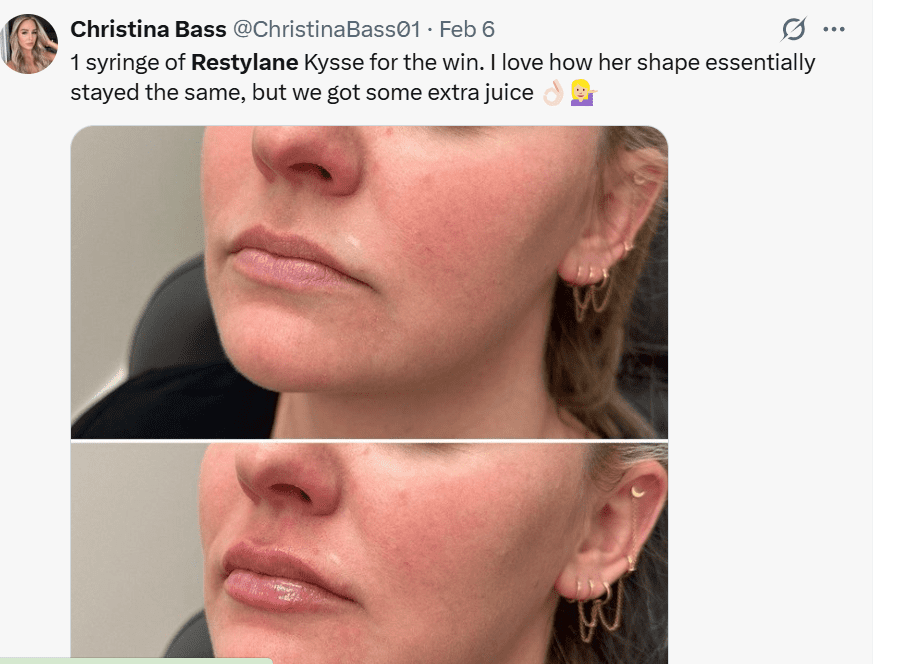
Galderma’s Restylane uses unique XpresHAn Technology™, making it ideal for dynamic movement.
- Restylane Kysse: Specifically designed for the lips. It stretches and moves naturally when you talk, smile, or kiss, reducing the risk of a stiff or unnatural look.
- Restylane Silk: Ideal for subtle definition around the lip border (vermillion border) rather than massive volume.
3. The RHA® Collection (The 2026 Premium Standard)
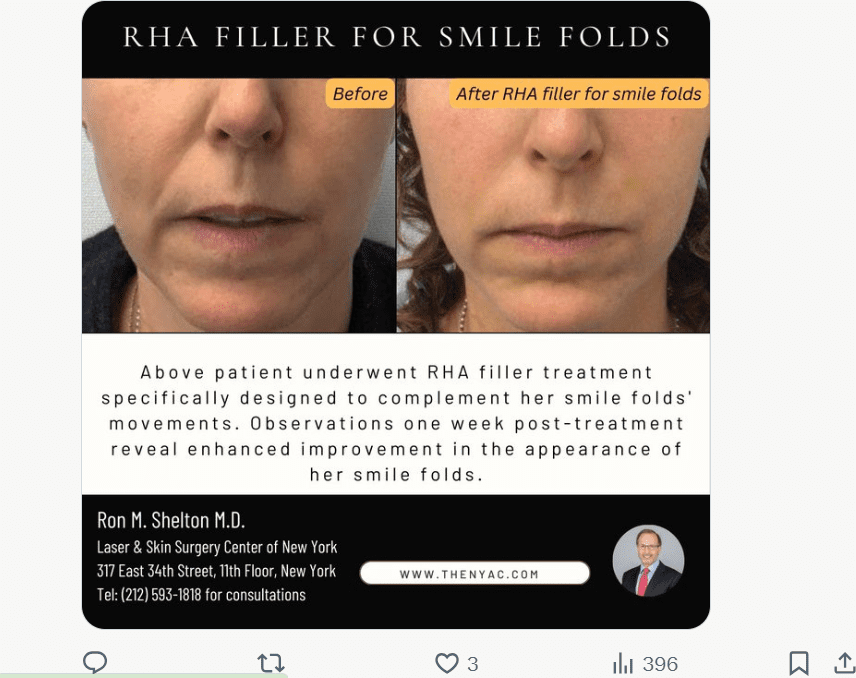
Teoxane’s RHA (Resilient Hyaluronic Acid) is the newest FDA-approved advancement. It is manufactured with a gentler process that preserves the natural structure of HA.
- Why it’s exceptionally safe: It adapts flawlessly to the dynamic movements of the face. If you are terrified of getting “duck lips,” RHA 3 is incredibly forgiving and natural-looking.
4. Revanesse® Versa & Lips+
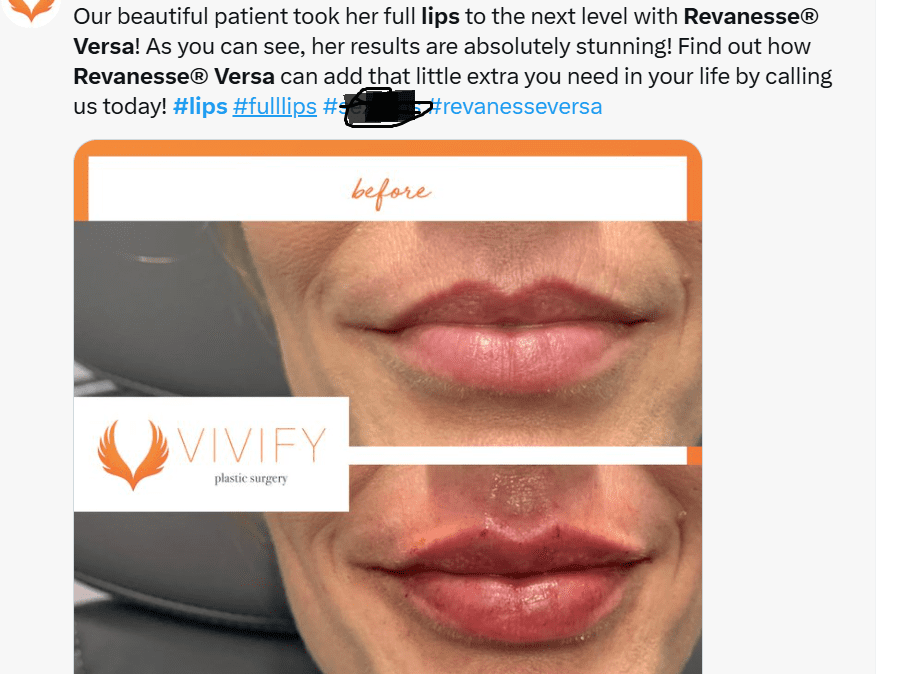
Revanesse uses spherical particle technology.
- Safety Benefit: Studies show that Revanesse causes significantly less post-injection swelling compared to other brands. If you are prone to severe bruising or swelling, this is the safest option.
5. Belotero Balance
Known for its seamless tissue integration, Belotero is injected superficially (closer to the skin surface). It carries an extremely low risk of causing the “Tyndall effect” (a bluish tint under the skin) or hard lumps (nodules).
Checkout our latest guide before and after of lip filler results.
Which is the Safest Filler for YOUR Specific Lips?
Safety isn’t just about the brand; it’s about matching the correct filler viscosity to your specific anatomy and age.
- For Mature, Thinning Lips (Age 40+): The safest options are Juvéderm Volbella XC or Restylane Silk. Using heavy volumizers on aging, delicate lip mucosa can cause permanent stretching or severe migration. These thinner fillers safely restore hydration and smooth “smoker’s lines” without distortion.
- For First-Timers (The Trial Run): Restylane Kysse or a classic half-syringe of Juvéderm Ultra are incredibly safe starting points. They integrate seamlessly and are the easiest to dissolve if you experience “filler regret.”
- For Bruise-Prone Patients: Revanesse Lips+ is clinically proven to cause less post-injection swelling and bruising due to its uniform, spherical particles, making the healing process much safer and faster.
If you are wondering what is the safest lip filler in 2026, the direct answer is Hyaluronic Acid (HA) based fillers. Specifically, FDA-approved brands like Juvéderm, Restylane, the RHA collection, and Revanesse hold the highest safety records. Because HA naturally occurs in the human body, it minimizes allergic reactions and is 100% reversible using an enzyme called hyaluronidase.
Thinking about getting lip fillers is incredibly common today. However, with the rise of “botched” procedures on social media, prioritizing safety over trends or cheap deals is crucial. This comprehensive guide will break down the safest materials, compare top brands, explain 2026 injection safety standards, and teach you how to spot red flags at a clinic.
Why Hyaluronic Acid (HA) is the Undisputed King of Safety
When medical professionals discuss the safest lip filler, they are universally referring to Hyaluronic Acid (HA). HA is a natural sugar molecule found in your skin, eyes, and joints that attracts and retains moisture.
1. The Ultimate Safety Net: It is 100% Reversible
The biggest advantage HA fillers offer is reversibility. If you are unhappy with the results, or if a severe medical emergency occurs, your injector can immediately inject Hyaluronidase. This enzyme dissolves the filler completely within 24 to 48 hours, returning your lips to their natural state.
2. High Biocompatibility
Because your body naturally produces hyaluronic acid, your immune system does not view HA lip fillers as a “foreign invader.” This drastically lowers the chances of severe allergic reactions, tissue rejection, or long-term chronic inflammation.
3. Predictable Healing
Unlike permanent fillers, HA settles predictably. The integration into your lip tissue is smooth, and while temporary (lasting 6 to 15 months), the gradual fading is natural and even.
The Science Behind Safety: NASHA vs. Vycross Technology
To truly understand what makes a lip filler safe, medical professionals look at its “Rheology”—specifically its G-prime (firmness) and cohesivity (how well it holds together). Safe fillers use an FDA-approved cross-linking agent called BDDE to bind the hyaluronic acid molecules together so they don’t break down immediately.
- Vycross Technology (Used in Juvéderm): Blends different molecular weights of HA, creating a smooth, gel-like consistency that minimizes the risk of hard lumps or the Tyndall effect (a bluish tint under the skin).
- NASHA Technology (Used in Restylane): Creates a firmer, more structural gel that stays exactly where it is injected, heavily reducing the risk of filler migration.
Crucial Safety Warning: The Lidocaine Allergy While Hyaluronic Acid itself rarely causes allergic reactions, 95% of safe, modern fillers (like Juvéderm Ultra XC and Restylane Kysse) are formulated with Lidocaine to minimize pain. If you have a known allergy to Lidocaine or dental numbing agents, these “safe” fillers can cause a severe allergic reaction (anaphylaxis). Always disclose your allergies to your provider.
Risky Lip Fillers to Avoid at All Costs
While temporary HA fillers are safe, certain materials should be strictly avoided for lip augmentation:
- Permanent Fillers (Silicone, PMMA, Bellafill): These substances cannot be dissolved. If they shift, migrate, or cause a late-onset infection, they must be surgically cut out. They carry a high risk of causing granulomas (hard, painful, permanent lumps).
- Biostimulators (Sculptra, Radiesse): While safe for cheeks or jawlines, these are highly dangerous for the lips. They stimulate collagen growth, which can lead to uncontrollable, irreversible lumps in the delicate lip mucosa.
- Hyaluron Pen / Needle-less Fillers: Heavily trending on social media, these devices use high pressure to force HA into the skin. The FDA has issued strong warnings against them because the pressure is uncontrollable, leading to severe tissue damage, uneven results, and infections.
The 2026 Safety Standard: Ultrasound-Guided Injections
In 2026, cosmetic safety has evolved significantly. The biggest medical risk with any facial filler is Vascular Occlusion—a rare but severe complication where filler is accidentally injected into an artery, blocking blood flow to the tissue.
Today, top-tier clinics are using handheld ultrasound mapping before and during the injection process. By using an ultrasound device, the injector can physically see exactly where your specific arteries are located beneath the skin, completely avoiding them. If you want the safest possible experience, ask your clinic, “Do you use ultrasound-guided injections?”
Red Flags: How to Spot an Unsafe Injector
The product is only as safe as the person holding the syringe. Watch out for these red flags:
- No Medical Credentials: Never go to a “party injector,” esthetician, or cosmetologist for fillers. Only board-certified dermatologists, plastic surgeons, or highly trained Registered Nurses (RN/NP) should inject.
- Bargain Basement Prices: If the 0.5 ml lip filler price is suspiciously low (e.g., $99), it is likely diluted, expired, or a counterfeit black-market product.
- Pushing Too Much Volume: A safe, ethical injector will refuse to inject 2ml or 3ml in a single session. Safe expansion requires time.
- No Dissolving Protocol: Ask them, “Do you have Hyaluronidase on hand in case of an emergency?” If they say no, leave immediately.
Bargain Basement Prices (The Black Market Risk): > Quality and safety come at a price. In 2026, an authentic, FDA-approved syringe of HA filler purchased legally by a clinic costs hundreds of dollars just wholesale. If a medspa is offering lip fillers for $200 or $300, you are likely receiving diluted, expired, or counterfeit black-market silicone—which can lead to permanent disfigurement, necrosis, or granulomas.
A safe, properly administered lip filler in the US typically ranges between $600 to $900+.
Want to know exactly what you should be paying? Avoid hidden fees and calculate a safe budget using our free Interactive 2026 Lip Filler Cost Estimator. It gives you exact, location-based price ranges so you don’t fall for “too good to be true” dangerous deals.
Tips for a Safe Procedure and Smooth Recovery
Safety continues after you leave the clinic. Follow these steps:
- Start Small: If you have thin lips, trying a half syringe (0.5ml) is the safest approach. It allows your tissue to expand without migrating.
- Prep Your Body: Avoid blood thinners, Aspirin, Ibuprofen, Fish Oil, and alcohol 48 hours before your appointment to drastically reduce the risk of deep bruising.
- Aftercare: Do not drink through a straw, kiss heavily, or sleep on your face for the first 24-48 hours. This prevents the filler from migrating outside the lip line.
Frequently Asked Questions (FAQs)
Can you get lip filler while pregnant?
No, it is highly advised to avoid getting lip fillers while pregnant or breastfeeding. While HA is a natural substance, cosmetic injectables have not been clinically tested on pregnant women, making it an unnecessary risk.
What is the safest lip filler for a natural look?
For a subtle, completely natural look, thinner HA fillers like Restylane Silk, Juvéderm Volbella XC, or Revanesse Lips+ are considered the safest choices. They integrate smoothly without causing stiffness.
Do safe lip fillers hurt during injection?
Most modern, FDA-approved lip fillers are formulated with Lidocaine (a mild local anesthetic) built directly into the syringe. Combined with topical numbing cream, the procedure involves minimal discomfort.
What should I do if my lip filler migrated?
If you notice a “filler mustache” (puffiness above the top lip), your filler has migrated. The safest solution is to visit a qualified professional to dissolve the migrated filler with Hyaluronidase and wait 2 weeks before re-injecting properly.
How long does the swelling and bruising last?
Swelling peaks on day 2 and typically subsides by day 4. Minor bruising is normal and should fully resolve within 7 to 10 days.
Official References & Medical Sources
- FDA: Dermal Fillers (Soft Tissue Fillers) Safety
- National Library of Medicine (NCBI): Complications of Injectable Fillers and Prevention
Disclaimer: This article is for educational and informational purposes only and does not replace professional medical advice. Always consult with a board-certified dermatologist or plastic surgeon before undergoing any cosmetic injectable procedures.

Sarah Mitchell is a dedicated aesthetic researcher with over a decade of experience analyzing cosmetic procedures. Obsessed with data and safety, she helps patients to provide real words and navigate the world of lip fillers with verified before and after results and honest cost breakdowns.
Pingback: Half Syringe Lip Filler Before and After: 2026 Real Results, Cost & What to Expect - Lip Filler Results
Pingback: The Truth About Volbella Lip Filler Before and After Real Results 2026 - Lip Filler Results
Pingback: Lumps in Lips After Filler: 7 Causes, Massage Guide & When to Dissolve - Lip Filler Results
Pingback: Lip Filler Healing Process Day by Day in 2026 Result - Lip Filler Results
Pingback: How Much Is Lip Filler in Missouri? Real Cost Guide 2026